We all have favorite tropes. Whether it’s fated mates or steampunk pirates, a particular trope in a book description can make that book an auto-buy.
So what are urban fantasy tropes?
Urban fantasy tropes are recurring character types, story structures, magical elements, and settings that appear throughout the genre. While every series puts its own spin on them, familiar tropes help readers quickly understand the kind of adventure they’re about to experience. You know tropes when you see them: the badass monster hunter, the magical school, the assassin who falls in love with their mark. These recurring ideas have become part of what makes urban fantasy—or any genre—so much fun.
Here are six of my favorite urban fantasy tropes. While I don’t love every book that uses them (it always comes down to execution), they appear in many of my favorite series.
Occult Detective
Is this the perfect urban fantasy trope or what?
The protagonist is a private detective with one foot in the mundane world and one foot in the magical. Each book features a new client with a different supernatural case, while an overarching mystery or recurring villain ties the series together.
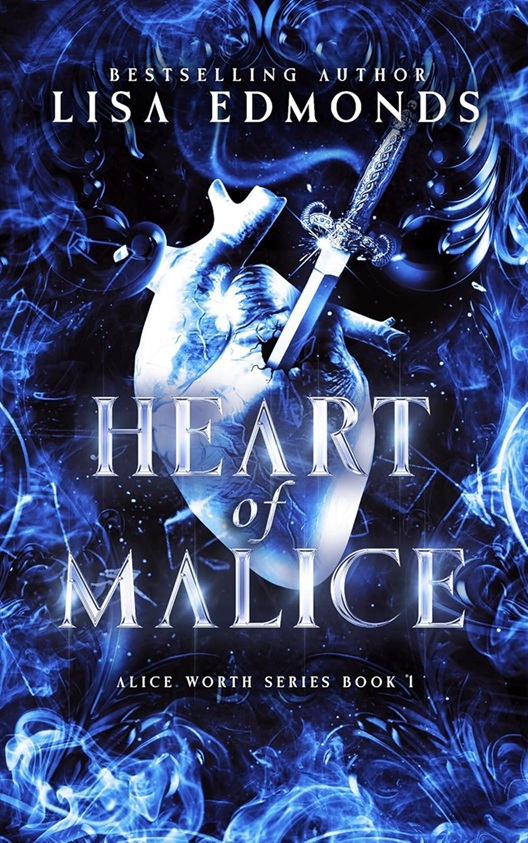
This setup works equally well in worlds where magic is public knowledge and in worlds where it remains hidden. In the Alice Worth series, Alice is a mage private investigator who specializes in magical cases.
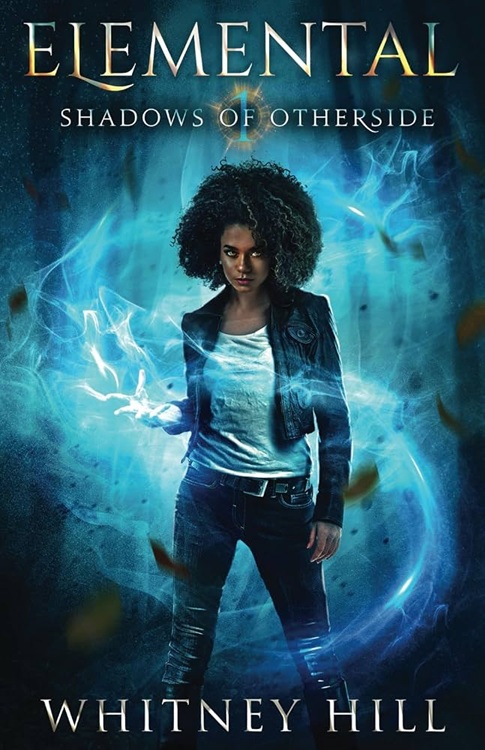
In Shadows of Otherside, Arden Finch investigates ordinary missing persons and murders while secretly navigating conflicts within the hidden supernatural community.
Do both of these characters have magic powers? Absolutely. But magic alone isn’t enough to beat the bad guy—or even survive. They need detective skills, too.
This is a prime urban fantasy trope and the basis of many book series. Give me ghosts, monsters, suspicious clients, and impossible-seeming mysteries, and I’m sold.
Muggle with a Degree in Magic
This trope creates instant conflict.
The protagonist has spent years studying magic but has little or no ability to actually perform it. They’re an expert on supernatural creatures, magical history, or arcane theory—but when real danger shows up, knowledge alone isn’t enough.
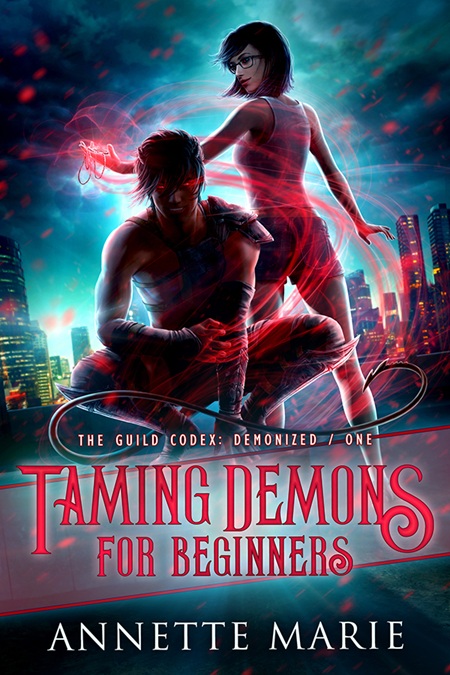
Robin Page from Guild Codex: Demonized is one of my favorite examples. She’s an unapologetic bookworm who knows an incredible amount about demons and magic but has no practical combat abilities or experience using magic herself.
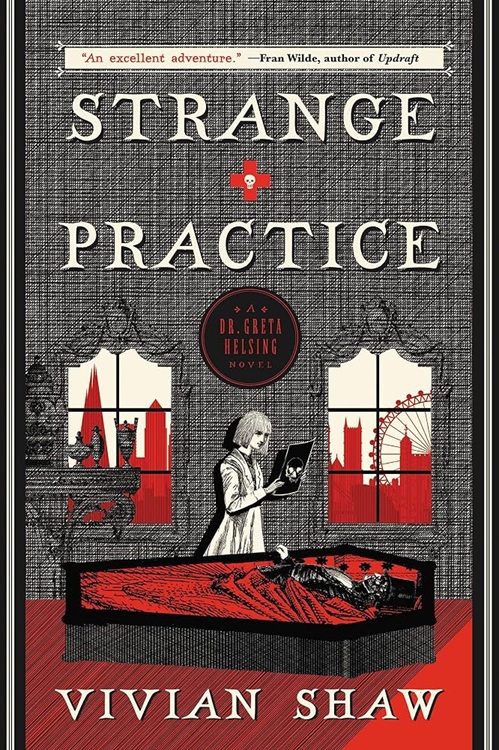
Another great example is Dr. Greta Helsing from Strange Practice. She specializes in treating supernatural patients—everything from banshees to mummies—but medical expertise isn’t especially helpful when eldritch horrors start trying to kill you.
Watching intellectually gifted characters navigate deadly magical situations that they’re completely unprepared for is excellent story conflict. It’s also the perfect chance for character development, and by Book 4 or 5 in the series, that helpless muggle probably isn’t so helpless anymore.
Magic Swords
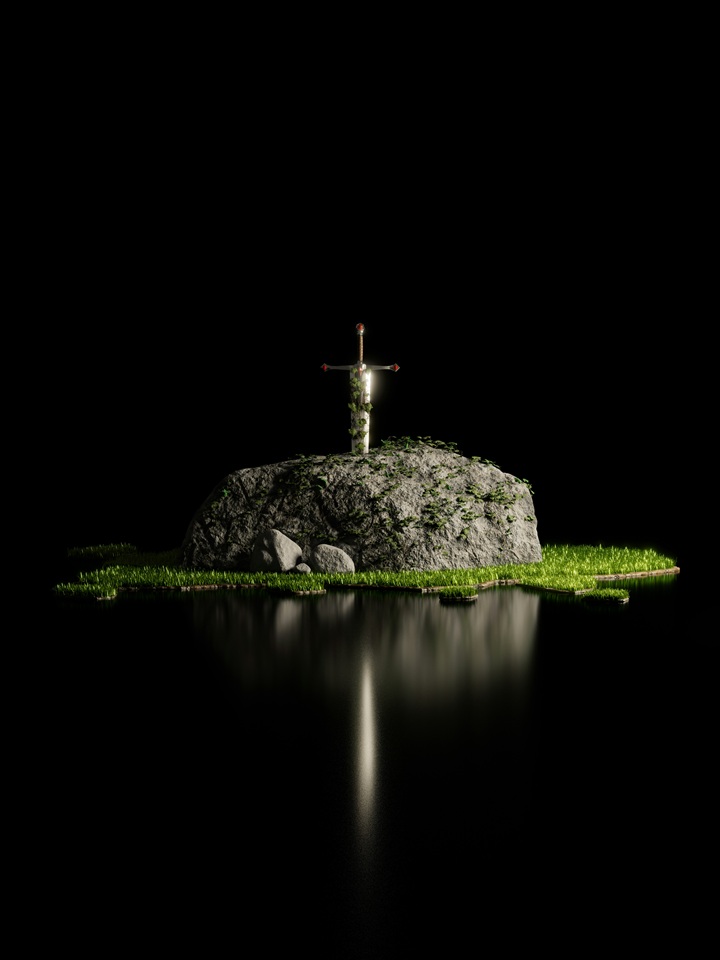
Who isn’t a sucker for a badass heroine wielding a magic sword?
Whether it’s Kate Daniels and her saber Slayer or Val Thorvald’s mysterious dwarven blade Chopper, magical weapons almost always lead to fantastic action scenes.
Which is probably why Leigh, the heroine of my Dark and Otherworldly trilogy, eventually acquires a sentient—and very angry—magic sword.
Of course, it doesn’t have to be a sword. Magical daggers, enchanted spears, cursed axes… I’ll happily take them all.
There’s just something inherently cool about a hero who’s trained long enough to master a weapon, and when that weapon comes with supernatural abilities, the fights become even more awesome.
In real life, bringing a sword to a gunfight wouldn’t end well. But in an urban fantasy book, the sword has special powers and the hero wielding it has magically enhanced speed and reflexes, so swords beat guns every time.
Hitman with a Heart
Assassins are terrible people in real life.
In fiction? They’re endlessly entertaining.
Urban fantasy has produced some wonderfully complex antiheroes who kill for a living but still operate according to a strict moral code.
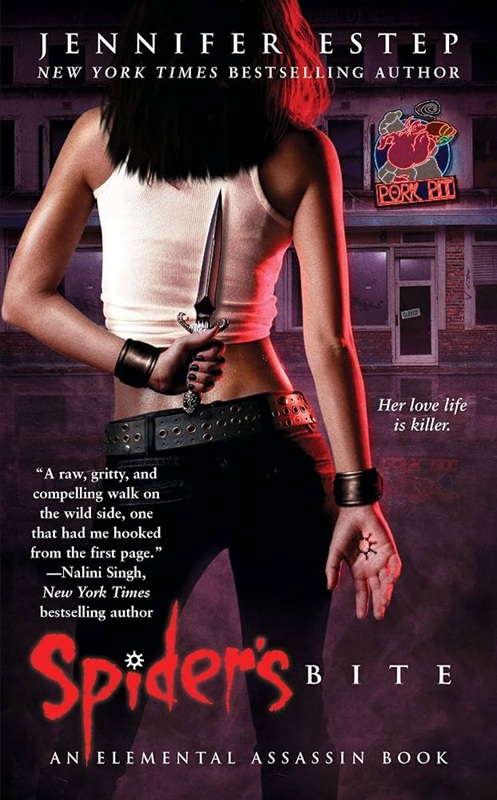
Gin Blanco from the Elemental Assassin series is one of the best examples. Although she’s an infamous assassin known as the Spider, she only accepts contracts on truly monstrous people.
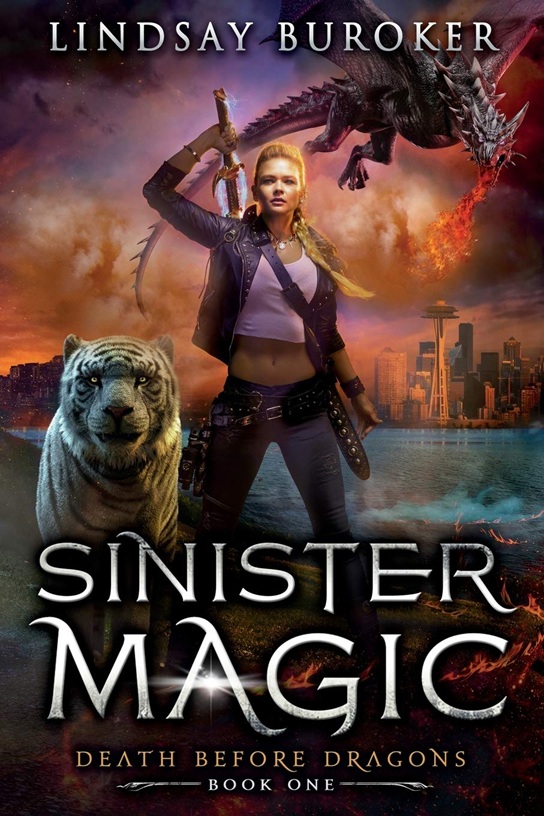
Val Thorvald from Death Before Dragons has a similar reputation. To the supernatural world, she’s a ruthless killer. In reality, she only targets dangerous creatures that have murdered humans and will continue killing unless she stops them.
Characters like these live in morally gray territory, and that’s exactly what makes them fascinating.
I See Dead People
The ability to see ghosts is incredibly useful for an urban fantasy protagonist.
Trying to solve a murder? Ask the victim. Need information that disappeared centuries ago? Find the ghost of someone who lived through it. Ghosts can be incredibly helpful—as long as they’re not actively trying to kill you.
Sometimes communicating with the dead is an exceptionally rare ability. In other fictional worlds, anyone with enough magical talent can do it. Either way, it opens up endless storytelling possibilities.
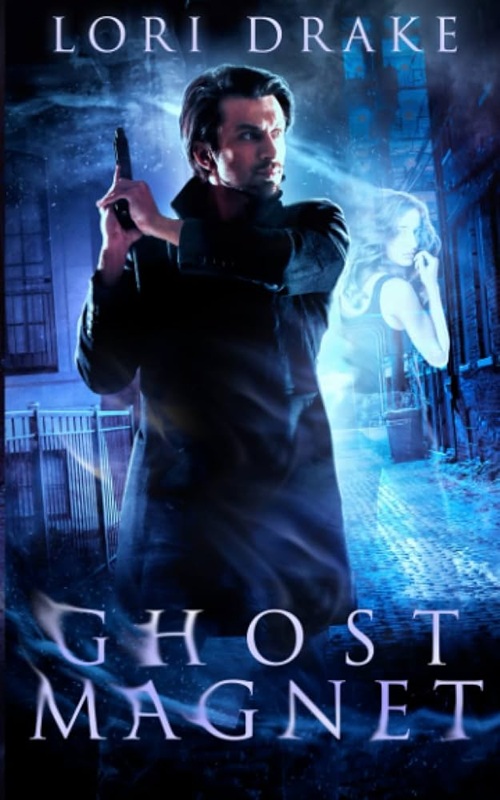
Dean Torres in Ghost Magnet has been able to see and speak with ghosts for a while when the novel starts. His problem (one of many problems, really) is that his powers are evolving, causing him to not only communicate with ghosts but draw them in like a beacon.
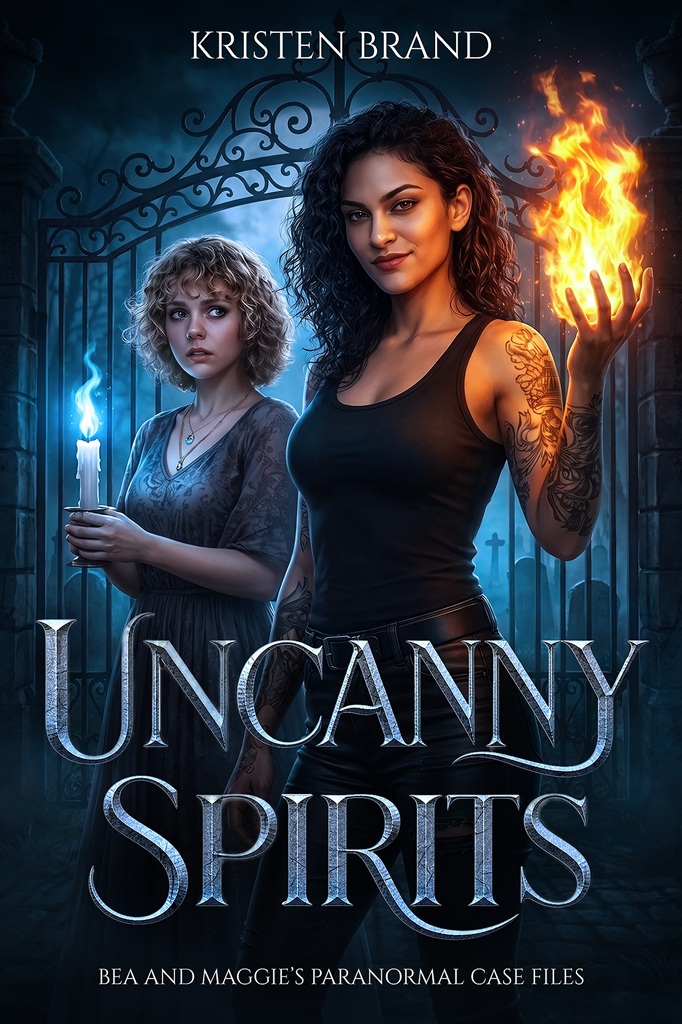
Bea Romo Reyes from Bea and Maggie’s Paranormal Case Files can see ghosts, and like with a lot of her backstory and abilities, she doesn’t offer any explanation for it.
The ability to see the dead is one of those double-edged swords that can both help and hinder the protagonist, and it adds a level of spookiness to urban fantasy books that I love.
Faerieland
What makes urban fantasy so fun is the magic hiding in our ordinary world. That nightclub is run by vampires. That metaphysical shop has a back room with real magical merchandise. And there really is a troll under that city bridge. It’s fun to put magic in a regular city, but sometimes you want a dimension separate from ours, a world apart from our modern one, where magic rules.
Sometimes, you need to go to faerieland.
The right magic spell may be able to open a portal anywhere. Or you might need to go to a specific place to find a gateway. But once you step through, you’ll find yourself in a breathtaking realm of enchanted forests, magic castles, and legendary creatures.
If you’re lucky, you might even get to leave.
In the Dark and Otherworldly trilogy, fae abduct humans from our world and force them into servitude in their realm. The heroine, Leigh, enters Otherworld as a spy to organize a rescue mission. But of course, the realm of the fae is full of hidden dangers, not the least of which is a cunning fae prince…

Portals to faerieland give an urban fantasy book the best of both worlds—you get the gritty realism of our world plus the magic of a fantasy realm. And it’s always fun to see a regular human get thrown into a land of dragons and fae courts and try to adapt.
Conclusion
Urban fantasy is an incredible genre because it constantly puts fresh spins on familiar ideas. Whether your favorite trope is occult detectives, ghost whisperers, monster hunters, or magical weapons, chances are there’s an amazing series built around it.
This isn’t an exhaustive list of tropes. I’m sure five minutes after publishing this article, I’ll think of another favorite that deserved a spot.
What are your favorite urban fantasy tropes? Let me know in the comments!


Leave a Reply