

Depending on how long you’ve been reading fantasy fiction, you might consider urban fantasy either a hot new trend or a genre that’s been around forever.
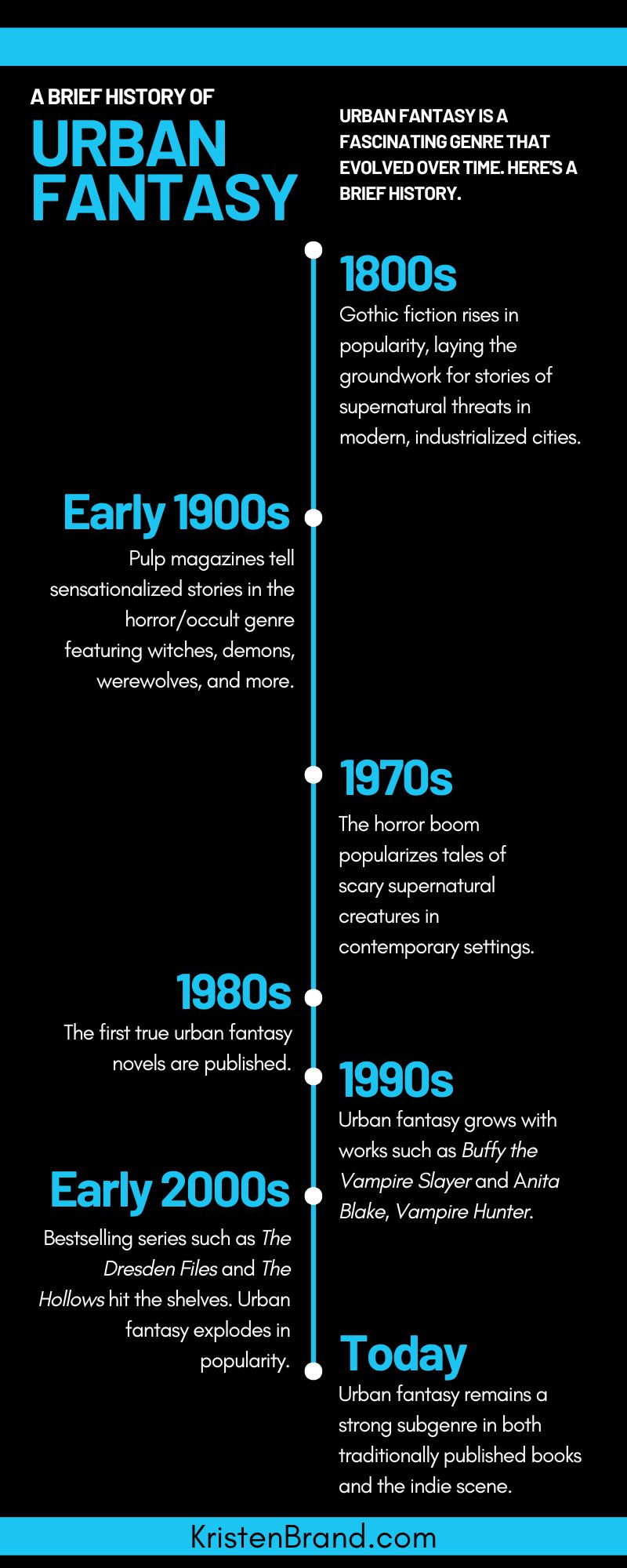
The truth lies somewhere in the middle. The history of urban fantasy stretches back more than a century, but the genre as we know it today only took shape in the late twentieth century. From Gothic horror and pulp magazines to bestselling vampire hunters and modern indie authors, urban fantasy has evolved into one of the most diverse corners of speculative fiction.
Let’s take a look at the history of urban fantasy and how it became the genre readers know and love today.
Gothic Origins
If I had to point to one of the earliest ancestors of urban fantasy, I’d nominate Dracula.
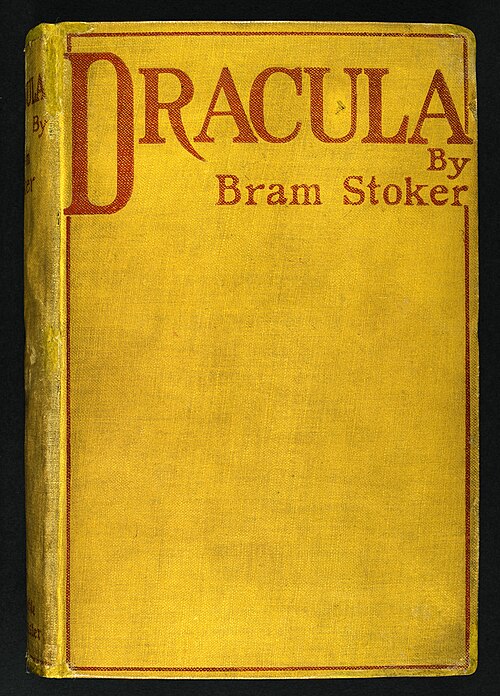
Think about it. It’s a story about a vampire—one of the genre’s most iconic creatures—and much of the action takes place in London, one of the largest cities in the world at the time.
You can find a vampire stalking the streets of almost any urban fantasy novel you pick up today. Bram Stoker was doing it back in 1897.
Some readers trace the roots of urban fantasy all the way back to mythology, but if we’re emphasizing the “urban” part of the genre, then large cities are essential. That means looking to the Industrial Revolution and the literary movement that rose alongside it: Gothic fiction.
Books like Dracula, Frankenstein, and The Strange Case of Dr. Jekyll and Mr. Hyde combined supernatural elements, danger, mystery, and fear. While Gothic fiction is distinct from modern urban fantasy, its influence on both horror and urban fantasy is impossible to ignore.
The Influence of Pulp Magazines
Another major chapter in urban fantasy history comes from the pulp magazine era.
From the late nineteenth century through the mid-twentieth century, pulp magazines published inexpensive fiction in genres ranging from westerns and detective stories to science fiction and horror.
For urban fantasy, the most important influences came from horror and occult fiction.
These stories were packed with demons, ghosts, witches, monsters, and paranormal investigators. They also introduced some of the earliest occult detectives, including Jules de Grandin, whose adventures appeared in Weird Tales throughout the 1920s, 30s, and 40s.
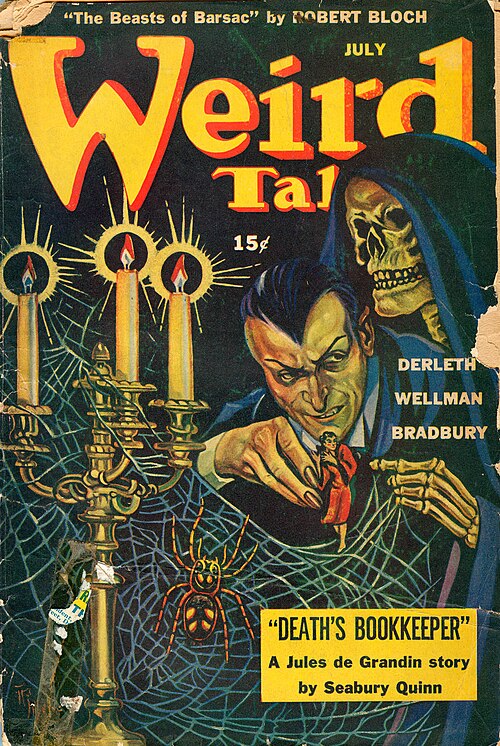
If you’ve read modern urban fantasy, this probably sounds familiar. Paranormal detectives remain one of the genre’s most enduring archetypes, appearing everywhere from The Dresden Files to countless indie series today.
Pulp fiction also helped normalize the idea of supernatural creatures operating in contemporary settings. Novels such as Jack Williamson’s Darker Than You Think feel surprisingly modern despite being written decades before urban fantasy was formally recognized as a genre.
Evolution from Supernatural Horror
The horror boom of the 1970s contributed another layer to the development of urban fantasy.
Stephen King’s Salem’s Lot brought vampires into a contemporary American setting, while The Exorcist popularized stories involving demons, possession, and supernatural investigations.
Then came Anne Rice’s Interview with the Vampire.
Part horror, part fantasy, and part romance, Rice’s novel transformed vampire fiction and helped pave the way for many of the supernatural protagonists that would later dominate urban fantasy bookshelves.
The influence of these works can still be seen today in stories featuring monsters, morally complex supernatural beings, and protagonists who operate in the space between horror and fantasy.
The Founding Works of Urban Fantasy
While Gothic fiction and supernatural horror laid important groundwork, most scholars and fans point to the 1980s as the period when urban fantasy truly emerged as its own genre.
Several books are frequently cited as foundational works:
- War for the Oaks by Emma Bull
- Moonheart by Charles de Lint
- Terri Windling’s Borderland series
These novels brought magical creatures and fantastical elements out of medieval-inspired fantasy worlds and into contemporary settings.
That shift is one of the defining characteristics of urban fantasy.
Instead of castles and dragons, readers got modern cities, rock bands, apartment buildings, and ordinary people colliding with extraordinary magic.
Anita Blake and the Modern Urban Fantasy Formula
In 1993, Laurell K. Hamilton published Guilty Pleasures, the first novel in the Anita Blake, Vampire Hunter series.
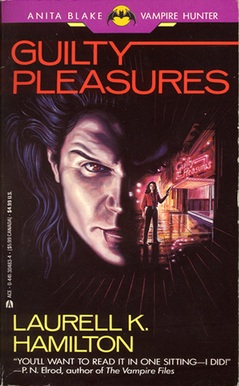
While the series was initially marketed as horror, it became one of the defining works of modern urban fantasy.
Many of the genre conventions readers now associate with urban fantasy either appeared in or were popularized by Anita Blake:
- A strong female protagonist
- First-person narration
- Mystery-driven plots
- Supernatural creatures living alongside humans
- Action mixed with horror elements
- Romantic subplots
The series helped establish the template that many later urban fantasy authors would build upon.
The Genre Explodes in Popularity
The late 1990s and early 2000s saw urban fantasy become a major force in publishing.
One cultural influence that’s impossible to overlook is Buffy the Vampire Slayer. Although it was a television show rather than a novel, its combination of supernatural action, humor, horror, and character-driven storytelling had a tremendous impact on the genre’s popularity.
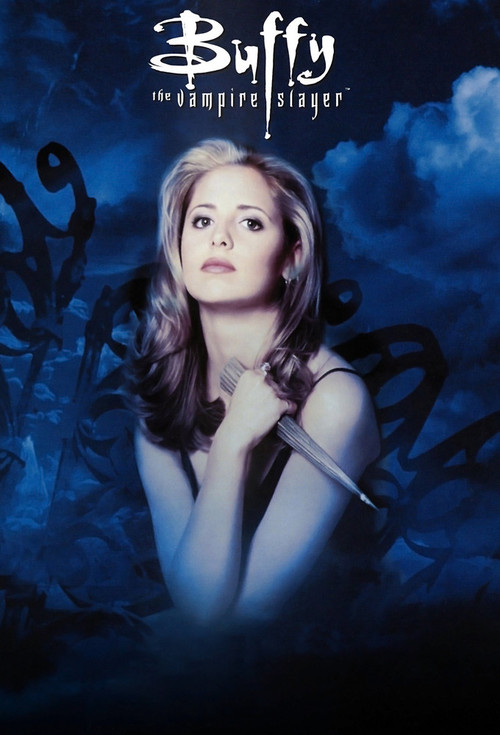
Around the same time, many of today’s most recognizable urban fantasy series debuted:
- The Dresden Files by Jim Butcher
- The Hollows by Kim Harrison
- Women of the Otherworld by Kelley Armstrong
- The Vampire Huntress Legend by L.A. Banks
- Nightside by Simon R. Green
These books helped bring urban fantasy into the mainstream.
By the late 2000s, the genre was booming. Urban fantasy novels regularly appeared on bestseller lists, and bookstores often devoted entire shelves to supernatural detectives, vampire hunters, witches, and monster slayers.
If you’ve ever joked about seeing a woman in black leather holding a weapon on every fantasy cover, this was the era that created that stereotype.
Urban Fantasy Today
So what happened next?
Contrary to occasional claims that the genre is dying, urban fantasy remains remarkably healthy.
Long-running series like The Hollows and October Daye continue to attract readers, while newer books push the genre in fresh directions.
At the same time, self-publishing has dramatically expanded the urban fantasy landscape.
Today’s readers can find:
- Cozy urban fantasy
- Urban fantasy romance
- Urban fantasy mystery
- Horror-heavy urban fantasy
- Post-apocalyptic urban fantasy
- Countless genre mashups
The rise of indie publishing has also opened doors for more diverse voices and perspectives, helping the genre evolve beyond the conventions established during its early years.
One of the reasons urban fantasy has endured is its flexibility. Whether the story centers on vampires, fae, ghosts, demons, witches, or something entirely new, the genre continues to reinvent itself.
Conclusion: The Future of Urban Fantasy
The history of urban fantasy is longer and more complicated than many readers realize. Its roots stretch from Gothic horror and pulp magazines to supernatural thrillers and bestselling paranormal detectives.
But what makes urban fantasy exciting isn’t just its past—it’s its future.
The genre continues to grow, evolve, and branch into new subgenres. Every year brings fresh takes on familiar creatures and new voices with unique stories to tell.
If you’re looking for a modern urban fantasy series that combines supernatural action, horror, humor, and a strong female friendship, check out Smoke and Hellfire.
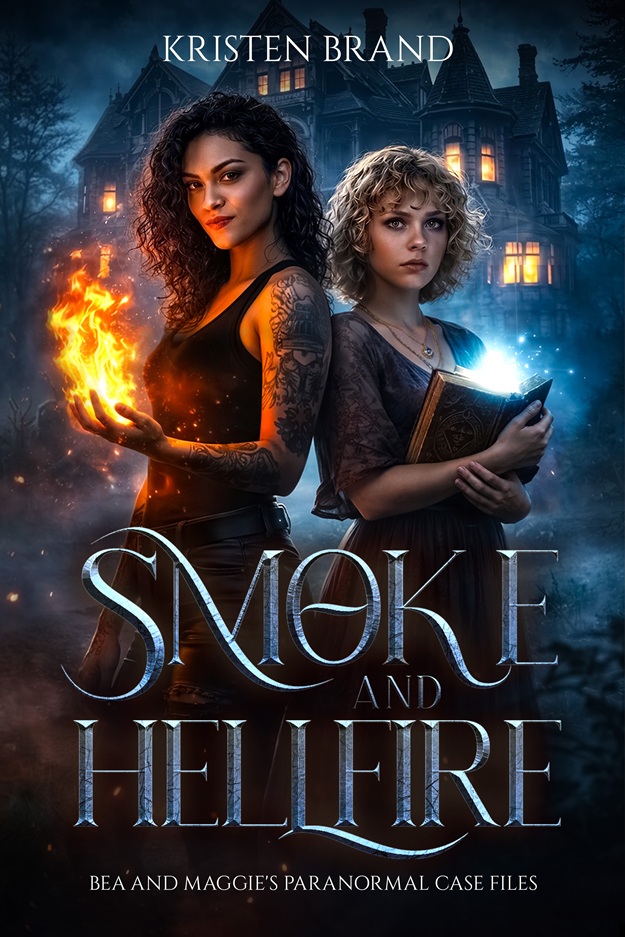
Featuring a badass exorcist and an anxious witch forced to team up against paranormal threats, it’s perfect for fans of Buffy the Vampire Slayer, Supernatural, snarky banter, and monster-hunting adventures.
And if you’re new to the genre and looking for a place to start, you might also enjoy my list of 5 Urban Fantasy Prequels That Open Incredible Series.
What’s your favorite classic urban fantasy novel? Let me know in the comments.


Leave a Reply