

Certain plots show up more often in certain genres. Fake dating is a staple of romance novels. Superhero stories love the “hero loses their powers” arc. And urban fantasy has its own recognizable story structures.
While every urban fantasy novel tells a different story, many rely on the same underlying plot types. Whether the protagonist is investigating a supernatural murder, discovering a hidden magical world, or racing to stop an ancient evil before time runs out, these familiar frameworks appear again and again because they create compelling conflicts in modern fantasy settings.
Are these the only possible urban fantasy plots? Of course not. One of the best things about the genre is how easily authors combine and reinvent these ideas. But if you’ve read enough urban fantasy books, you’ll probably recognize many of the plot structures below. Here are seven of the most common urban fantasy plot types—with an example of each in action.
1. The Mystery
This one’s pretty self-explanatory. The protagonist has to solve a crime, whether that’s tracking down a stolen magical artifact or investigating a string of supernatural murders.
The story follows the structure of a classic mystery novel, except one of the suspects might be a vampire and the murder weapon could be a magic spell.
The protagonist might be a private investigator, a paranormal law enforcement officer, or an ordinary person caught up in extraordinary circumstances. Whoever they are, they’ll need detective work, magical knowledge, and a healthy dose of courage to uncover the truth.
Example

Dragon and Detective features a locked-room mystery with a supernatural twist.
The crime? A valuable classic car has been stolen from a secured garage.
The victim? A literal dragon.
The investigation leads the protagonist through a world of ghosts, shapeshifters, and some seriously unsettling magic.
2. Discovery of Magic
In this plot, the protagonist believes they live in an ordinary world—until they discover a hidden supernatural society.
Sometimes they learn they possess magical abilities. Other times they’re the lone human surrounded by witches, vampires, fae, or other paranormal beings.
Much of the story focuses on learning the rules of this new world while trying to survive whatever supernatural danger has suddenly appeared.
Example
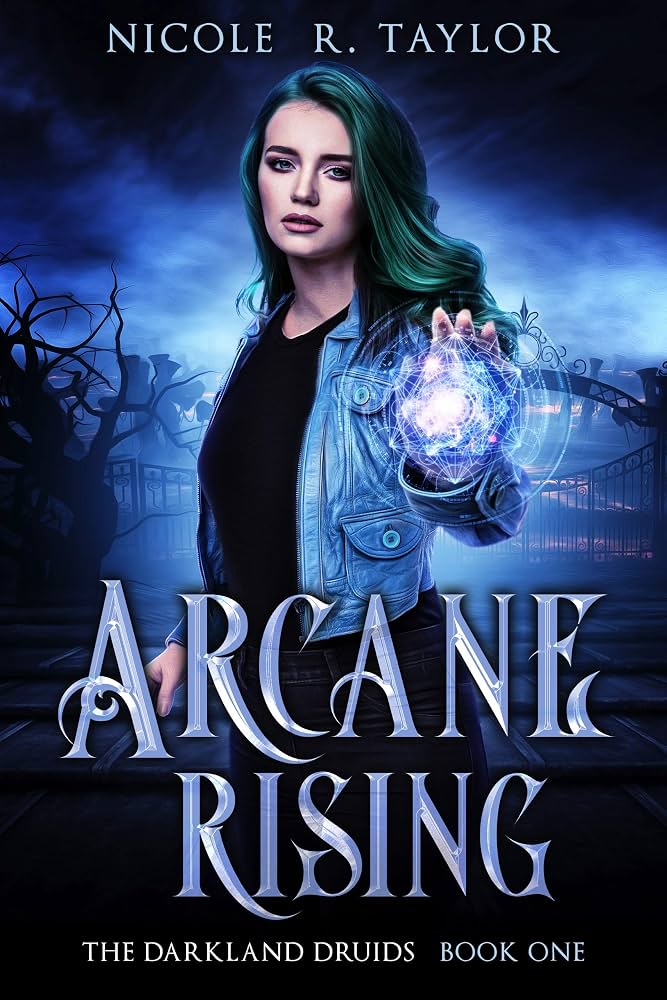
In Arcane Rising, the heroine’s trip to Scotland is interrupted by an attack and the shocking revelation that she’s a druid.
As she learns to control her new abilities and uncovers the truth about her family’s past, she must also stop a dangerous group of fae determined to eliminate every druid.
3. The Rescue
Someone has been kidnapped.
Whether it’s a friend, sibling, love interest, or complete stranger, the protagonist must find them before the villain’s plans succeed.
This plot often overlaps with a mystery, since finding the victim usually means uncovering clues about who took them and why.
Example

In Any Witch Way You Can, the heroine’s foster sister disappears, leaving behind what appears to be a runaway note.
To find her, the heroine must rely on newly awakened magical powers—and strike a dangerous bargain with a powerful black magic user.
4. The Revenge Plot
The villain has done something terrible to the protagonist.
Maybe they murdered a loved one years ago. Maybe they destroyed the hero’s life in the opening chapter.
Either way, revenge becomes the driving force behind the story.
The road to vengeance rarely proves straightforward. The protagonist usually has to overcome powerful minions, unravel larger conspiracies, or survive repeated attempts on their own life before reaching the final confrontation.
Sometimes the revenge storyline spans an entire series rather than a single novel.
Example

In Spider’s Revenge, the heroine finally attempts to assassinate the crime boss responsible for murdering her family—a goal the series has been building toward for several books.
Predictably, nothing goes according to plan.
5. The Competition
The protagonist enters a magical competition where losing isn’t simply embarrassing—it’s often fatal.
Sometimes they’re chasing a prize they desperately need. More often, they’re forced into the contest with no other way to survive.
Expect deadly trials, dangerous rivals, political intrigue, and a steadily shrinking group of competitors.
Example

In Court of Shadows, the heroine is arrested by the Shadow Fae.
Her only alternative to execution is competing for a place within the Institute of the Shadow Fae.
Only one contestant survives.
6. Race Against the Clock
Something terrible is coming.
It might be an ancient evil waiting to be summoned, a monster hunting its next victim, or an impending magical apocalypse.
Whatever the threat, the protagonist has only a limited amount of time to stop it. Every setback increases the tension, and every delay brings disaster one step closer.
Sometimes the heroes save the day.
Sometimes they’re too late—and dealing with the consequences can make for an even better story.
Example

In Dragon Fae Prophecy, enemy mages are planning a devastating attack during an upcoming festival.
The heroine must uncover the details of the conspiracy before time runs out.
7. The Escape
The protagonist is trapped.
Maybe they’re locked in prison for a crime they didn’t commit. Maybe they’re imprisoned in a vampire’s dungeon, an underground laboratory, or another equally unpleasant location.
The story centers on planning and executing an escape, often with help from fellow prisoners (or prison guards) who have their own reasons for wanting freedom.
Example

The paranormal prison subgenre is built almost entirely around this plot. If a story begins inside a supernatural prison, chances are an escape attempt isn’t far behind.
Honorable Mentions
Obviously, these seven plot types aren’t the only ones in urban fantasy. Some other common plots you’ll run into if you read the genre a lot are:
- Monster hunt
- Magical heist
- Protect the magical artifact
- Hidden conspiracy
- Survive the haunted location
But the plots aren’t as simple as they sound because…
Most Urban Fantasy Novels Combine Multiple Plot Types
If you’ve read much urban fantasy, you’ve probably noticed that very few books stick to just one of these plot types. Instead, authors mix and match them to create stories that feel both familiar and fresh.
A paranormal murder investigation might become a race against time when the killer prepares another ritual. Or the protagonist might enter a magical competition as part of their revenge plot.
That’s one of the strengths of urban fantasy. The genre borrows ideas from mystery, horror, thriller, and even adventure fiction, then layers magic and supernatural creatures on top. The result is stories that are difficult to fit into a single box—and that’s part of what makes them so much fun to read.
Example
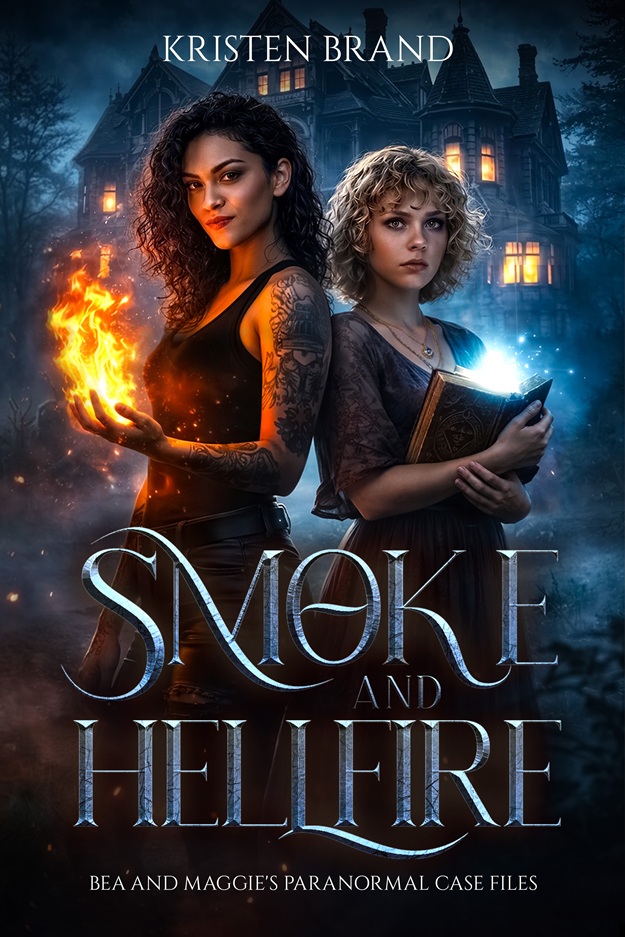
Smoke and Hellfire starts with a rescue mission: save a witch’s family from the demon that killed her. But before the protagonists can do that, they have to investigate how the demon came to the witch’s house and what its modus operandi is, so there’s a mystery element. Then the story becomes a race against the clock to figure everything out before the demon can kill again.
And that’s just their first case.
Conclusion
These plot structures form the backbone of countless urban fantasy novels, and many books combine several of them into a single story. Considering the history of urban fantasy, it makes sense that it pulls plot elements from the different genres it evolved from. But those plot structures don’t make the genre formulaic. Part of what makes urban fantasy so much fun is that the familiar frameworks leave plenty of room for creative twists.
The next time you pick up an urban fantasy novel, see if you can spot which plot types the author is combining. Chances are you’ll find two or three working together to keep the story moving.
What are some of your favorite urban fantasy plots? Have you noticed any others that I left off the list? Let me know in the comments!


Leave a Reply