
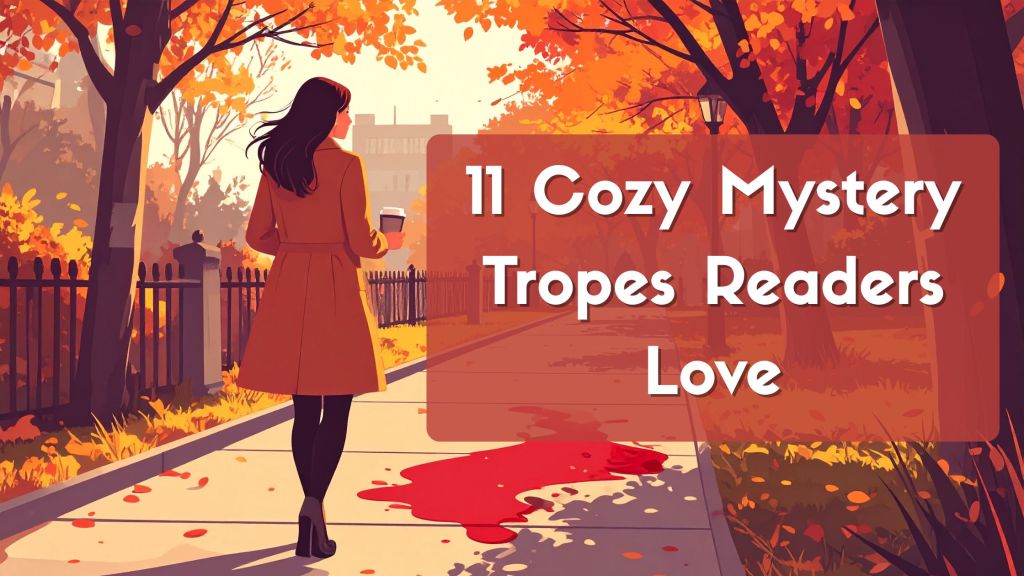
There’s something irresistible about curling up with a good cozy mystery. Maybe it’s the promise of a puzzle to solve from the comfort of your favorite reading chair, or the chance to visit a charming small town without leaving home. Whatever draws you in, cozy mysteries follow certain beloved conventions that readers have come to expect—and love. If you’re new to the genre or just curious about what makes these books so appealing, here are eleven tropes that define cozy mysteries and keep readers coming back for more.
Amateur Sleuth

This is practically a rule of cozy mysteries. The protagonist can’t be a police officer, FBI agent, or anyone whose job it is to solve crimes. They have to be an everyday average person who stumbles into the mystery. Think librarians, coffee shop owners, and pet groomers. These relatable protagonists bring fresh perspectives to investigations precisely because they’re not jaded professionals.
The beauty of the amateur sleuth is that readers can imagine themselves in the same situation. There’s no specialized training or access to forensic labs—just curiosity, determination, and maybe a knack for asking the right questions at the right time. These sleuths use their ordinary skills in extraordinary ways, whether it’s a hairdresser’s knowledge of the local gossip network or a bookstore owner’s ability to research obscure facts.
In the Texts From Beyond series, Sydney is a baker who gets drawn into her first investigation when someone murders her boss. She’s not looking for adventure or danger—it finds her, as it does for most cozy mystery protagonists.
Charming Small Town
Part of the appeal of reading cozy mysteries is visiting a quaint town full of charm. Whether it’s a coastal village, a hamlet in the English countryside, a mountain retreat, or a picturesque Main Street in middle America, these settings often have beautiful scenery and a welcoming atmosphere. The town itself becomes a character in the story, with its own personality, history, and quirks. Reading about them is like taking a mini vacation.
You know, with murder.
Within the town, characters (and readers) spend their time in places like bookstores, cafes, farms, and antique shops. These cozy establishments provide the perfect backdrop for casual conversations that might reveal crucial clues. The small-town setting also means everyone knows everyone else’s business, which creates a rich web of relationships, rivalries, and long-held grudges for the sleuth to navigate.
Unlikable Victim
Cozy mystery readers don’t want to cry their eyes out over the death of a beloved character, so the murder victim is usually a first-class jerk. You’ll find food critics writing unfairly harsh reviews of the family restaurant, real estate developers knocking down historic buildings to put in parking garages, gossips spreading malicious rumors, and business rivals sabotaging local shops. The victim will often get into heated arguments with one of the locals right before their murder, casting suspicion on them.
This trope serves multiple purposes. It keeps the tone light despite the serious subject matter, ensures readers aren’t devastated by the death, and creates a long list of people with motives. When the victim has wronged half the town, narrowing down the suspect list becomes delightfully challenging.
Sydney’s grouchy, demanding boss is the victim in Dead Messages, and she doesn’t get any easier to deal with when she’s a ghost.
Animal Sidekick

Cozy mystery readers love cute pets. Cats and dogs are the most popular, of course, but they’re not the only animals you’ll find. There are parrots, rabbits, ferrets, and I’ve even seen pigs. These furry (or feathered) companions add warmth and humor to the story while giving the protagonist someone to talk to when they’re puzzling through clues.
Sometimes the animal helps solve the mystery, especially if they’re a magical familiar in a witchy paranormal cozy. They might sniff out evidence, react to suspicious characters, or lead their owner to important locations. Other times, they belonged to the murder victim, with the sleuth taking them in after the victim’s death and inheriting both a pet and a connection to the case. And sometimes, they’re just normal pets hanging around and being adorable, providing comic relief and cozy atmosphere.
Police Are Useless
There needs to be a reason this random baker or knitter is solving the mystery instead of the police. Often, it’s because the police in the book’s small town are incompetent, understaffed, or biased. Maybe the detective jumped to the most obvious conclusion without considering alternatives, or perhaps the tiny police force simply lacks the resources for a thorough investigation. The amateur sleuth is forced to step up because they’ve arrested the wrong person, ruled the death as accidental, or are barely investigating at all.
This trope can be played for humor (the bumbling local sheriff) or drama (a corrupt detective), but it always serves the same purpose: creating space for the amateur sleuth to take center stage. After all, if the professionals were doing their job properly, there’d be no story.
If that’s not the case…
Friend on the Force
The protagonist often has a friend—or potential love interest—on the force who tells her details about how the investigation is going. This creates a different scenario where the police are competent but the sleuth has something special to contribute. She might be psychic, have a personal connection to the victim or their community, or simply have access to information through her social network that the police can’t easily obtain.
This relationship adds tension and complexity. The friend on the force might disapprove of the amateur investigation, warning the sleuth to stay out of danger even as they share just enough information to keep her involved. There’s often a push-pull dynamic: the official investigator needs the sleuth’s insights but doesn’t want to encourage risky behavior.
In Texts From Beyond, Sydney gets text messages from the ghosts of the murder victims, giving her access to all kinds of information that no one else has—at least when the ghost cooperates and doesn’t just complain about being dead.
Culinary Delights

What’s cozier than mouth-watering, detailed descriptions of delicious food? Whether it’s a triple-chocolate cupcake, homemade apple pie with a flaky golden crust, artisan sourdough bread, or a perfectly brewed cappuccino, food plays a starring role in many cozy mysteries. Bakery cozies, cafe cozies, and restaurant cozies make the most of this trope, but even mysteries set in bookstores or craft shops often feature scenes in local eateries.
These culinary moments serve multiple functions. They slow down the pace and create warm, sensory experiences that balance out the darker murder plot. They provide natural gathering places where characters can meet and share information. And many cozy mysteries include recipes at the end of the book, letting readers recreate the treats they’ve been reading about. There’s something weirdly satisfying about solving a murder while mentally planning your next baking project.
Clear My Name
The amateur sleuth needs a compelling motive for investigating the murder instead of going on with their normal life. Often it’s because she or someone she loves is wrongfully accused of the murder. Maybe the victim publicly argued with them, they had a well-known grudge, or circumstantial evidence points in their direction. Suddenly, the stakes become deeply personal.
This trope transforms the investigation from a curious hobby into a desperate necessity. The sleuth isn’t just solving a puzzle—she’s fighting to protect her own freedom or that of a loved one. It justifies the risks she takes and the danger she puts herself in, even when friends warn her to stay out of it.
In Text or Treat, Sydney’s sister is arrested after discovering the body of a man who scammed her out of money. It makes the stakes higher and more personal for Sydney, giving her a reason to investigate beyond just wanting to help the annoying ghost texting her to move on.
Everyone Has Something to Hide
It’s not a murder mystery without red herrings. Cozy mysteries have casts of quirky characters, and while they’re not all murderers (usually), they do have secrets. It may be something serious like an affair or embezzlement, or it might be lighthearted like a surprise party they’re planning or an embarrassing hobby they don’t want anyone to know about.
These secrets create a delicious web of misdirection. The sleuth follows leads that seem promising only to discover that suspicious midnight meeting was actually a secret book club or an online dating rendezvous. Everyone acts guilty because everyone is hiding something—just not necessarily murder. This trope keeps readers guessing and makes the mystery more complex and engaging. It also adds depth to the supporting characters, showing that everyone has multiple facets to their personality.
Town Festival
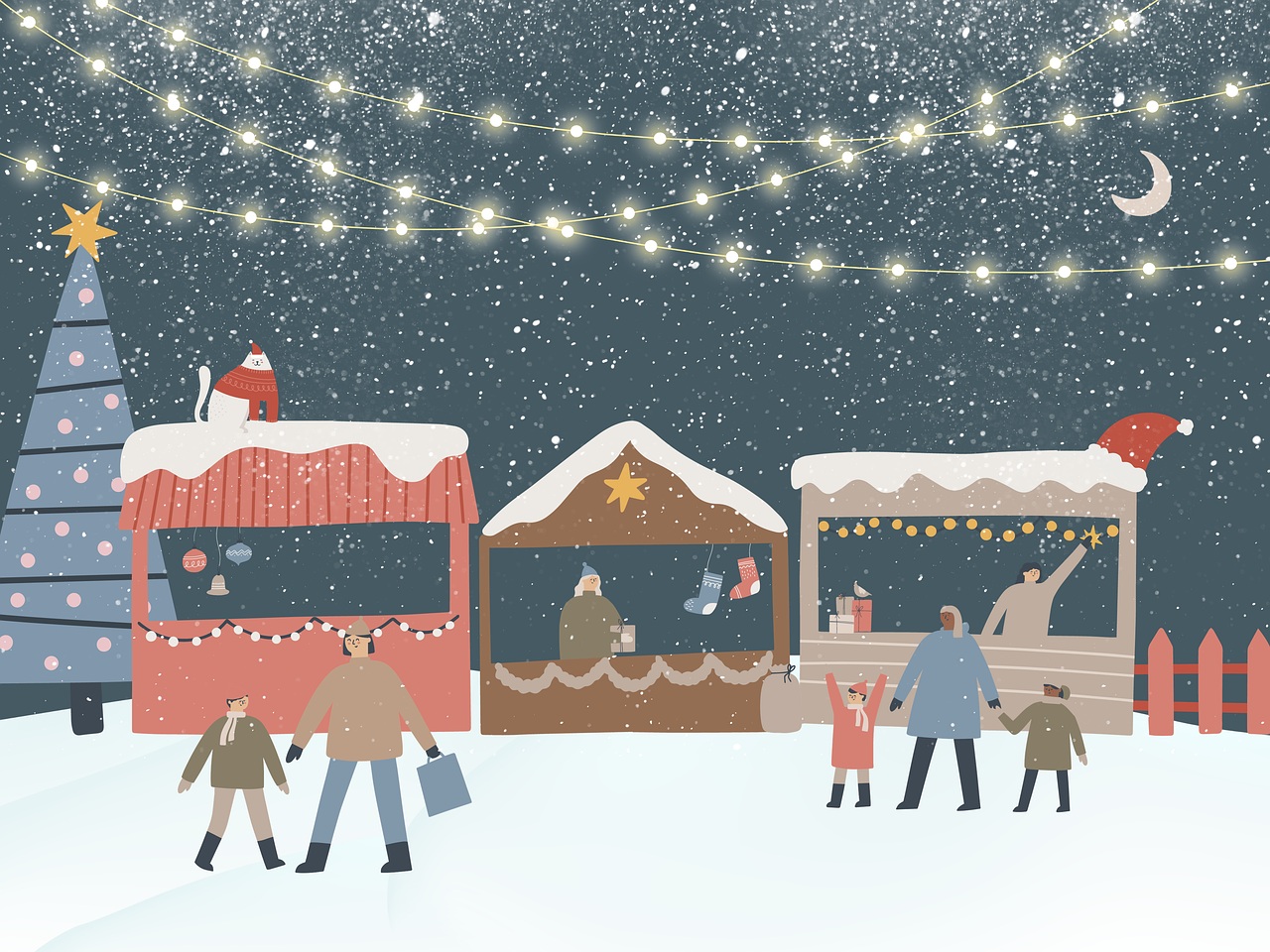
If there’s a harvest festival, craft fair, or Christmas market, you know someone’s going to end up dead partway through the event. But that doesn’t stop readers from enjoying the festive atmosphere, the colorful descriptions of decorated booths, the smell of funnel cakes, and the sound of live music. These events bring the entire town together in one location, creating the perfect setting for conflict, confrontation, and eventually, murder.
Festivals also provide excellent opportunities for investigation. With everyone gathered in one place, the sleuth can observe interactions, overhear conversations, and question suspects without seeming obvious. Plus, the contrast between the cheerful festivities and the dark crime creates an appealing tension that’s central to the cozy mystery genre.
In Text or Treat, the book begins with a trick-or-treat event put on by several local businesses, including the bakery where Sydney works. It’s going quite well, with children in costumes and neighbors enjoying Halloween treats, at least until a dead body is discovered…
Brought to Justice
Cozy mysteries don’t usually have downer endings. You can expect the sleuth to catch the killer by the final chapter, with justice served and order restored to the community. The murderer confesses or is caught red-handed, loose ends are tied up, and life in the charming small town returns to normal—until the next book, anyway.
This satisfying resolution is part of what makes cozy mysteries so comforting. In a world that often feels chaotic and unfair, these books provide reassurance that good triumphs, wrongs are righted, and clever, determined people can make a difference. The amateur sleuth proves themself, often earning respect from the professional investigators who doubted them. Relationships deepen, the community heals, and readers close the book with a sense of contentment and completion.
These eleven tropes create the framework that makes cozy mysteries so beloved. They provide comfort, entertainment, and just enough danger to be exciting without being truly frightening. Whether you’re a longtime fan or new to the genre, understanding these conventions helps you appreciate the artistry involved in crafting a good cozy mystery.
What’s your favorite cozy mystery trope? Do you have a favorite cozy mystery book that breaks one or more of these conventions? Let me know in the comments!
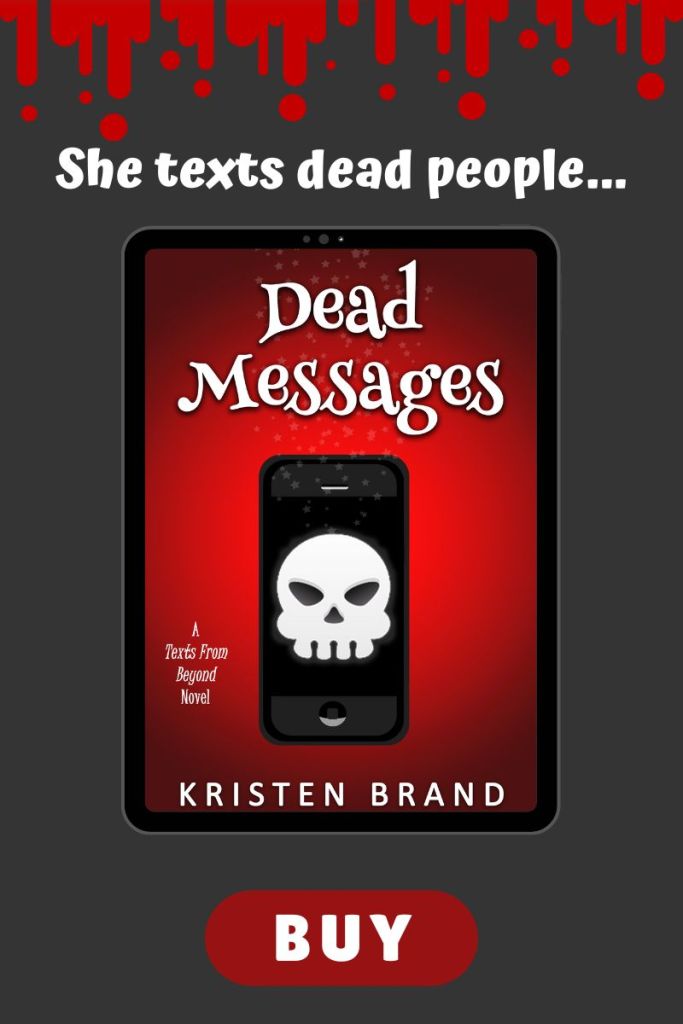
And if you’re ready to dive into a cozy mystery that features several of these tropes—including an amateur sleuth who communicates with ghosts via text message—check out Dead Messages, the first book in the Texts From Beyond series. Join Sydney as she navigates her first murder investigation with help (and hindrance) from a very demanding ghostly victim. Available now wherever books are sold!
 Kristen Brand
Leave a comment